

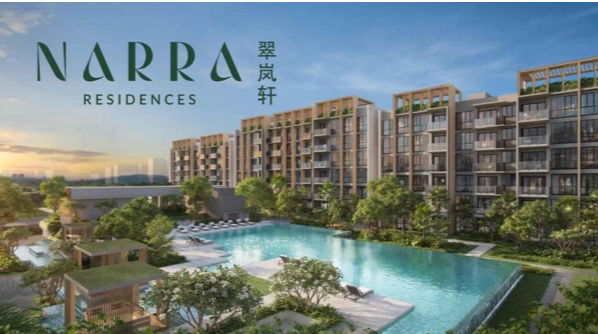
Singapore’s residential market is increasingly influenced by buyers who prioritise long-term living and predictable home performance. When evaluating developments such as Narra Residences, buyers often look beyond design appeal to assess whether a home can deliver consistent comfort and usability over many years.
Predictable performance refers to how reliably a home supports everyday life without unexpected limitations. Buyers who plan to stay long-term want assurance that their living environment will remain dependable as routines, responsibilities, and household needs evolve.
What Predictable Home Performance Means
Predictable home performance is about consistency rather than novelty. Homes that perform well offer stable comfort, logical layouts, and minimal disruption over time. Residents are not forced to constantly adjust or compensate for design shortcomings.
In contrast, homes with unpredictable performance may initially feel acceptable but gradually reveal inefficiencies. Over time, these inefficiencies affect daily routines and reduce satisfaction, especially for long-term residents.
As buyer awareness grows, predictable performance has become a key benchmark of residential quality.
Why Long-Term Buyers Value Consistency
Long-term buyers prefer environments that reduce uncertainty. A home that performs consistently allows residents to focus on their lives rather than managing space-related issues.
Consistency also reduces long-term costs. Homes that function well do not require frequent modifications or corrective renovations. This stability aligns closely with the financial and emotional priorities of long-term living.
As a result, buyers increasingly favour developments that demonstrate reliability rather than short-lived innovation.
Mid-Content Evaluation of Performance-Oriented Developments
During the comparison phase, buyers often evaluate River Modern for how effectively its planning supports predictable daily living in an urban environment. Attention is given to circulation, zoning clarity, and overall usability across different life stages.
This evaluation reflects a broader shift toward performance-based decision-making, where buyers prioritise how a home functions in reality rather than how it is presented.
Predictability and Long-Term Residential Satisfaction
Homes that deliver predictable performance tend to retain residents longer. When expectations are consistently met, confidence grows, and the desire to relocate diminishes.
This satisfaction supports residential stability and strengthens community formation. Developments known for dependable living conditions often experience steadier demand and stronger long-term reputation.
Conclusion
Predictable home performance has become a crucial factor in long-term living decisions in Singapore. Buyers increasingly seek homes that deliver consistent comfort and usability over time. As the market continues to mature, developments that prioritise reliability will remain better positioned for long-term success.