

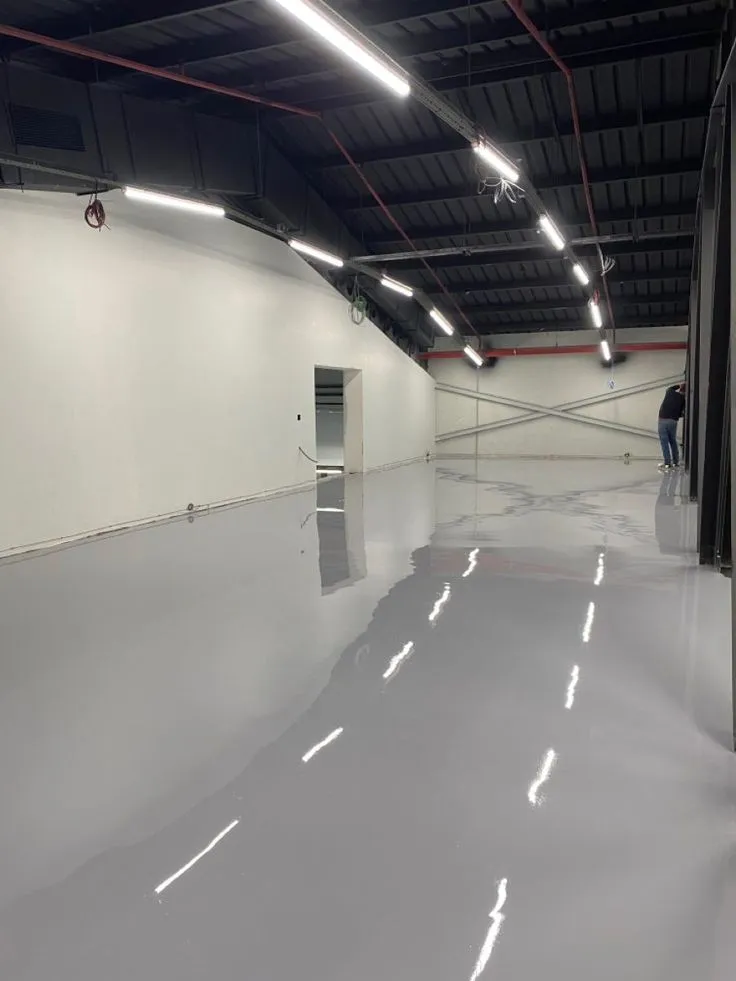
Water entering a warehouse can create problems long after the visible puddles disappear. A leaking roof, broken pipe, or poorly sealed loading entrance may leave concrete damp and affect stored products. Once the immediate emergency is under control, managers often focus on getting operations running again. However, choosing warehouse epoxy flooring or another protective finish should come after understanding what happened to the existing slab. Moisture assessment, cleaning, repairs, and appropriate scheduling can help prevent a rushed restoration from creating further operational difficulties.
Identify Where the Water Came From
Before repairing the floor, establish the source of the water. A roof leak, plumbing failure, drainage problem, and groundwater intrusion require different responses. Identifying the source also helps determine whether surrounding building materials have been affected.
Document the affected locations and arrange necessary building repairs. If water continues entering the property, a new floor coating may develop problems regardless of its quality. The underlying cause should be addressed before decorative restoration begins.
Consider What the Water Contained
Not every water incident creates the same risks. Clean water from a supply pipe differs from floodwater that may contain sewage, chemicals, or other contaminants. The type of water influences cleaning requirements and whether specialist remediation is necessary.
Where contamination is suspected, appropriate environmental assessment and professional remediation may be required. Employees should not handle potentially hazardous materials without suitable protection. Cleaning procedures must reflect the nature of the incident rather than simply removing visible moisture.
Inspect the Concrete Beneath Stored Equipment
Warehouse racks and heavy machinery can make damage difficult to identify. Once access is safe, inspect areas around joints, previously repaired sections, equipment foundations, and locations where water remained for extended periods.
Look for deteriorating coatings, loose surface material, or changes around cracks. These observations do not automatically indicate structural failure, but they may justify further assessment. Significant movement or damage should be evaluated by qualified professionals.
Understand Why Drying Matters
Concrete can retain moisture after its surface appears dry. Applying certain resin systems before the substrate meets manufacturer requirements may contribute to blistering or adhesion problems. This is particularly important when a warehouse needs to reopen quickly.
Moisture testing can help determine whether a proposed coating is suitable. The appropriate method depends on the slab and product specifications. Drying time should not be guessed from the number of days since the original leak.
Establish a Practical Recovery Checklist
A coordinated recovery plan can prevent important steps from being overlooked while warehouse operations are being restored. Managers should assign responsibilities and communicate the repair schedule to relevant employees.
Important steps include:
-
Confirm that the source of water has been corrected.
-
Document affected areas and visible concrete damage.
-
Assess possible contamination or structural concerns.
-
Arrange suitable concrete moisture testing.
-
Review repairs and coating specifications.
-
Establish safe access and reopening requirements.
These checks create a clearer sequence for contractors and facility personnel, reducing confusion when several teams are working simultaneously.
Match Restoration to Warehouse Activities
A warehouse used for packaged goods may experience different loading and cleaning demands from one handling industrial chemicals. Equipment movement, storage arrangements, and cleaning procedures should influence the selected flooring system.
Managers considering floor coating services should explain these conditions and the circumstances of the water incident. Epoxy and polyaspartic systems offer different installation and curing characteristics. The correct specification depends on the actual working environment.
Plan Repairs Around Essential Operations
Some warehouses cannot stop receiving goods for an extended period. However, returning equipment to damaged or unfinished areas too early can create additional problems. Managers should identify which sections must remain accessible during restoration.
Discuss whether the work can be completed in stages. Temporary traffic routes, stock relocation, preparation activities, and curing restrictions should be documented. Reopening decisions must reflect the condition of the floor and the selected repair materials.
Revisit Cleaning and Inspection Procedures
After restoration, maintenance teams should receive instructions appropriate for the finished surface. Compatible cleaning products, regular debris removal, and prompt spill response can help preserve the coating and reduce unnecessary wear.
Inspect previously affected locations periodically. Recurring dampness may indicate unresolved building problems rather than a cleaning issue. Keeping maintenance records can help identify deterioration before it spreads and affects warehouse operations.
Conclusion
Recovering from warehouse water damage requires more than removing puddles and applying a fresh finish. Identifying the source, assessing contamination, checking concrete moisture, and selecting suitable repairs should guide the process. Facility managers must also coordinate restoration with equipment movement and operational schedules. For businesses researching industrial concrete flooring solutions around Los Angeles and surrounding Southern California communities, epoxysurfaceprosca.com provides information about warehouse coatings and surface preparation. A carefully managed recovery can help restore practical working conditions while reducing the risk of repeated flooring problems.