

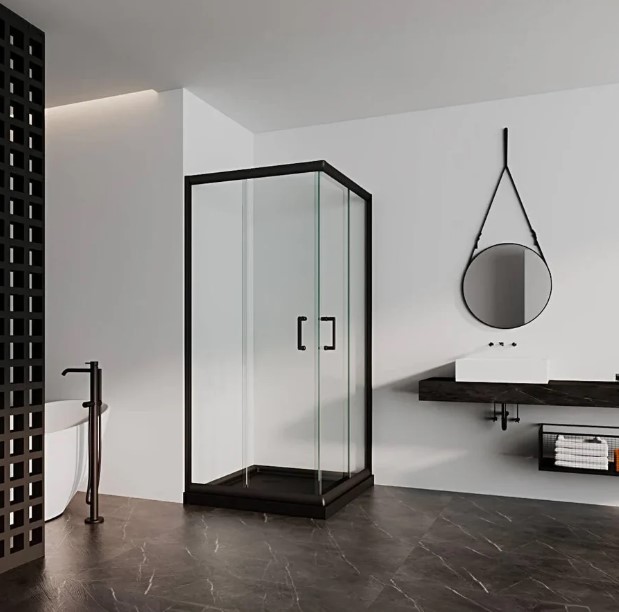
When designing or renovating a bathroom, one feature that can dramatically affect both style and function is the shower door. Whether you’re replacing an old curtain or planning a custom-built enclosure, choosing the right shower door is essential for ensuring water containment, ease of use, and the overall look of your bathroom.
With many types, materials, and configurations available, it’s easy to feel overwhelmed. This guide will walk you through the basics of shower doors, their types, materials, configurations, and key considerations before buying.
Why Choose a Shower Door?
A shower door offers several advantages over a traditional shower curtain:
- Improved water containment: Less chance of leaks or puddles on the floor.
- Modern, clean appearance: Glass doors elevate any bathroom’s look.
- Durability: High-quality doors last longer than curtains and liners.
- Ease of maintenance: Many doors now come with coatings that resist stains, soap scum, and hard water marks.
- Increased home value: A stylish bathroom with a sleek glass enclosure is appealing to buyers.
Types of Shower Doors
The first step in choosing a shower door is understanding the main styles available:
1. Sliding (Bypass) Doors
Sliding shower doors consist of two or more glass panels that slide past each other on tracks. These are ideal for tub-shower combinations or stand-alone showers with wide openings. They save space and work well in smaller bathrooms where there’s no room for a swinging door.
2. Hinged (Swing) Doors
Also called pivot doors, these swing open on hinges like a traditional door. They offer a wide, unobstructed opening and are great for standalone showers. However, they require clear space in the bathroom to swing open fully.
3. Bi-Fold (Folding) Doors
Bi-fold doors fold inward or outward like a closet door. They are perfect for tight spaces where a sliding or swinging door won’t work. This type is less common but useful in compact bathrooms.
4. Neo-Angle Doors
Neo-angle shower doors are designed for corner shower enclosures. They typically have three glass panels—two fixed and one hinged—arranged at angles to save space. They’re a stylish and efficient option for small, modern bathrooms.
Framed vs. Frameless vs. Semi-Frameless
Another key choice is whether to go with a framed, frameless, or semi-frameless design:
– Framed Shower Doors
These doors have metal frames around the entire glass panel. They’re sturdy, generally more affordable, and available in various finishes. However, the frame can make them harder to clean and may look bulkier.
– Frameless Shower Doors
Made from thicker tempered glass (usually 3/8″ to 1/2″), frameless doors use minimal hardware and no metal framing. They offer a sleek, modern appearance, are easier to clean, and make the space feel larger. Frameless designs tend to cost more but are considered more high-end.
– Semi-Frameless Shower Doors
These offer a compromise: a frame around the edges but none around the door itself. They provide a clean look at a lower price point than fully frameless models.
Glass Options and Finishes
Shower doors come in a variety of glass styles and finishes to suit your needs:
- Clear Glass – The most common choice, offering an open, modern feel.
- Frosted Glass – Provides privacy while allowing light to pass through.
- Tinted Glass – Available in shades like grey or bronze, adding a contemporary touch.
- Textured/Patterned Glass – Offers visual interest and some privacy.
- Low-Iron Glass – Ultra-clear with no greenish tint, ideal for luxury bathrooms.
Many manufacturers also offer protective coatings that repel water, reduce spotting, and make cleaning easier.
Important Buying Considerations
Before purchasing a shower door, consider the following factors:
- Space and layout: Measure the area carefully and consider how the door will open. Swing doors need clearance; sliding doors are better for tight spaces.
- Shower curb height: A proper slope and height help prevent water from escaping.
- Ease of access: For families, seniors, or people with mobility concerns, choose doors that open wide and are easy to use.
- Style: Match the door’s finish (chrome, black, brushed nickel, etc.) with your existing bathroom hardware for a cohesive look.
- Budget: Shower door costs vary. Framed models start around $200, while frameless or custom designs can exceed $2,000.
DIY or Professional Installation?
Some shower doors, especially framed or pre-sized kits, are suitable for DIY installation with basic tools and skills. However, frameless or custom-fit doors usually require professional installation for proper alignment, waterproofing, and safety.
Incorrect installation can lead to water leaks, damaged tiles, and a poor fit—so it’s often worth the extra cost to hire an experienced installer.
Final Thoughts
Shower doors combine function and design, enhancing your bathroom’s appearance, hygiene, and value. Whether you want a modern frameless glass door or a space-saving sliding option, there’s a solution that fits your space and budget.
Take time to measure your bathroom, understand your needs, and choose a style that matches your décor. With the right shower door, your bathroom can go from basic to beautiful—and stay that way for years to come.