

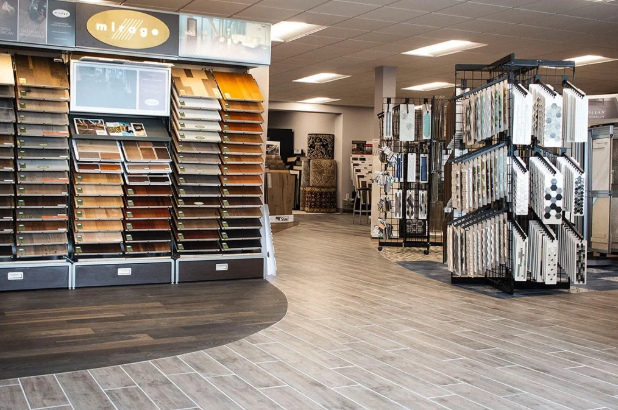
Eco-friendly mills now produce the finest hardwood floors available. Their products last longer, cost less over time, and keep your family healthier while protecting forests. FSC-certified floors beat regular options in every way that counts.
The hardwood flooring game has changed completely over the past decade. Mills focused on sustainability and now makes the best hardwood flooring you can buy. They’ve cracked the code on gorgeous floors without destroying forests or poisoning indoor air.
Homeowners want floors that won’t hurt their kids or wreck the environment. The smart mills figured this out and completely overhauled how they source wood and run their operations.
What is a Sustainable Mill?
Sustainable mills work nothing like the old lumber yards your grandfather knew. They track every tree from forest to your living room, power their operations with clean energy, and actually care about their workers. These changes aren’t just for show. They make better flooring.
You can’t fake real sustainability. Mills either commit to responsible practices across their entire operation or they don’t. There’s no middle ground when forests and communities depend on these decisions.
Responsible Sourcing of Raw Materials
Trees come from forests where growth exceeds cutting every single year. Mill owners work hand-in-hand with forest managers who plant way more trees than they harvest. Some mills own their forests outright, giving them total control over harvesting decisions.
Every log gets tracked with GPS coordinates, harvest dates, and certification paperwork. This proves your floors came from responsibly managed land where forests stay healthy for generations.
Energy Efficiency in Production
Modern sustainable mills cut energy use by 30–50% compared to older operations through:
- Solar Integration: Many leading mills install solar panels on every available roof surface.
- Biomass Boilers: Sawdust gets repurposed as a renewable heat source.
- Smart Kilns: Precision controls dry lumber faster while reducing waste.
Mills closely monitor energy use per board foot, constantly looking for improvements. Some operations even generate surplus clean energy and sell it back to local power grids.
Waste Reduction and Recycling Practices
Top sustainable mills aim for zero landfill waste by repurposing every byproduct:
- Sawdust → fuels heating systems
- Chips → particleboard
- Bark → mulch
- Small pieces → engineered flooring cores
Water efficiency is just as impressive. Many mills reuse water multiple times through closed-loop systems, cutting freshwater use by up to 80%.
Certification Standards (e.g., FSC, PEFC)
Forest Stewardship Council certification means outside auditors check everything annually. They verify forests, mills, and supply chains with no room for shortcuts or creative accounting.
PEFC offers similar standards with a regional focus on local forest practices. Both FSC and PEFC are internationally recognized certifications, requiring complete transparency about wood origins and processing methods. You can verify any certified product online using tracking numbers. Fake certifications get exposed quickly.
Community and Worker Well-Being
Sustainable mills anchor rural communities instead of bleeding them dry. They pay wages well above regional averages and fund local schools and infrastructure projects. Workers get real safety training and modern equipment instead of hand-me-downs.
These operations stick around for decades rather than chasing cheaper labor elsewhere:
- Above-average wages that support families
- Investment in schools and community infrastructure
- Comprehensive safety programs with modern equipment
- Long-term employment instead of seasonal layoffs
Key Benefits of Flooring from Sustainable Mills
Sustainable production methods create superior flooring that outperforms conventional products across every important measure. Better raw materials and careful processing translate directly into floors that last longer and look better. Best hardwood flooring from sustainable sources justifies higher upfront costs through decades of superior performance.
Superior Product Quality and Durability
Quality starts with how mills dry their lumber. Cheap operations rush wood through kilns to hit shipping deadlines, creating internal stress that shows up later as warping and cracking. Sustainable mills slow things down and do it right.
Quality Control That Actually Works:
- Individual inspection of every single board before shipping
- Defective pieces get recycled instead of being sold to customers
- The best trees get selected for premium flooring applications
- Proper drying prevents future warping and structural problems
Low VOCs and Healthier Indoor Air
Regular flooring finishes turn your home into a chemical fog for months after installation. Walk into most houses with new floors, and you’ll smell that “new floor” odor. That’s toxic fumes entering your lungs.
Sustainable mills ditched those nasty chemicals years ago. Water-based finishes and natural oils slash harmful emissions by 70-90% while still protecting the wood beautifully. Your kids can crawl around safely, and people with allergies won’t get headaches from the floors.
Environmentally Friendly Manufacturing
Modern sustainable mills actually generate more clean energy than they use for production. Solar panels and biomass systems create surplus power that gets sold back to electrical grids, making these facilities profitable energy producers.
Environmental protection goes far beyond energy efficiency:
- Closed-loop water systems prevent stream and river contamination
- Advanced dust collection eliminates air pollution from sawing operations
- Regional wood sourcing cuts transportation emissions dramatically
- Zero-waste policies turn every scrap into useful products
Shorter supply chains reduce both environmental impact and business risk while supporting local forest communities.
Long-Term Value and Refinishing Potential
Thick wear layers allow professional refinishing 5-8 times over 75-100 years. Quality construction keeps floors solid through multiple refinishing projects that cost 50-70% less than replacement.
Sustainable floors command premium resale prices as buyers increasingly demand eco-friendly features. Real estate agents report faster sales for homes with certified sustainable flooring.
Reduced Carbon Footprint
Hardwood floors store atmospheric carbon for their entire lifespan. Responsible forest management ensures replacement trees continue capturing carbon while providing future timber supplies.
| Flooring Type | Carbon Impact | Lifespan | End of Life |
| Sustainable Hardwood | Carbon Negative | 75-100 years | Recyclable |
| Conventional Hardwood | Carbon Neutral | 50-75 years | Recyclable |
| Luxury Vinyl | High Carbon | 10-20 years | Landfill |
| Carpet | High Carbon | 8-15 years | Landfill |
Note: Life cycle studies show sustainable hardwood produces 40-60% lower emissions than alternative flooring materials.
Best Sustainable Hardwood Flooring Choices in 2025
The best hardwood flooring from sustainable mills includes both engineered and solid wood products designed for different applications and budgets. Modern manufacturing creates products that maximize sustainability while delivering exceptional performance.
Engineered vs. Solid Hardwood: The Sustainability Showdown
Both options can be sustainable when sourced from certified mills. Your choice depends on budget, installation location, and long-term plans.
- Engineered hardwood uses 30-50% less premium wood per square foot while maintaining surface beauty. Stable performance in basements and over radiant heating systems. Lower material costs make sustainable options accessible to more homeowners.
- Solid hardwood provides maximum refinishing potential, extending useful life beyond 100 years. Premium aesthetics with full wood construction throughout. Highest resale values for luxury home applications.
Popular Wood Species from Sustainable Mills
Top Sustainable Species:
- Oak remains king due to an abundant certified supply from North American forests. White oak offers superior moisture resistance while red oak provides classic grain patterns.
- Maple delivers light colors perfect for modern designs. Northern forest certification ensures responsible harvesting of this slower-growing species.
- Hickory provides exceptional hardness for high-traffic areas. Sustainable harvesting focuses on smaller trees that improve overall forest health.
- Walnut represents the luxury option with rich chocolate tones. Limited certified supply makes it expensive but highly prized for premium applications.
Comparing Sustainable Mills to Conventional Flooring Suppliers
Sustainable mills differentiate themselves through transparent sourcing, superior quality control, and comprehensive customer support that conventional suppliers often cannot match. These advantages justify premium pricing through measurable value differences.
Direct comparison reveals significant differences in product quality, environmental impact, and long-term customer satisfaction between sustainable and conventional flooring suppliers.
Price Points and Value
Sustainable flooring costs 15-30% more initially, but this premium reflects genuine value differences. Premium pricing covers certified wood sourcing, energy-efficient production methods, and comprehensive quality control. Conventional suppliers typically don’t provide these services.
Total ownership costs actually favor sustainable options through longer lifespan and reduced maintenance requirements. Volume buyers can negotiate pricing arrangements that narrow the premium while maintaining sustainability benefits.
Sourcing Transparency
Sustainable mills provide complete documentation for every product batch, while conventional suppliers often cannot tell you where the wood originated. This transparency builds trust and allows customers to make informed decisions based on verified data.
Key Documentation Provided:
- Forest origin data and harvest dates
- Digital chain of custody tracking
- Online verification through databases
- Certification status and transport records
Customer Experience and Support
Sustainable mills view customer relationships as long-term partnerships rather than simple transactions. Their investment in customer education reflects the premium nature of their products.
Sustainable Mill Support Advantages:
- Comprehensive technical support throughout the product lifecycle
- Professional installation training for contractors and installers
- Detailed maintenance guidance and refinishing recommendations
- Expert consultation on product selection and application
- Responsive customer service with industry expertise
Environmental Impact Assessment
Life cycle assessments show dramatic environmental advantages for sustainable mills across all production phases. Verified data includes carbon emissions, water usage, and waste generation.
Third-party audits provide independent verification while annual reporting ensures continuous improvement. Conventional suppliers rarely submit to environmental audits or provide impact data.
How to Choose the Right Sustainable Hardwood Flooring?
Finding the perfect hardwood flooring from sustainable sources means doing your homework on certifications and mill track records. Don’t just trust marketing claims, but verify everything and compare real long-term value before making expensive flooring decisions.
Evaluating Certifications and Labels
- FSC (Forest Stewardship Council) certification provides the most rigorous standards with annual audits and transparent reporting. The FSC logo includes certification numbers that allow online verification of specific claims.
- PEFC (Programme for the Endorsement of Forest Certification) offers regional alternatives with similar forest management standards. Both require a complete chain of custody documentation tracking materials from the forest to the consumer.
- Green building programs like LEED recognize specific products that contribute certification points. These endorsements verify environmental benefits beyond basic sustainability claims.
Assessing Mill Reputation and Track Record
- Mill history matters more than marketing claims. Established operations with decades of sustainable practices provide confidence that newer facilities making unverified claims cannot match.
- Industry awards from environmental groups and trade associations indicate peer recognition of sustainable leadership. Third-party validation carries more weight than self-reported achievements.
- Customer testimonials from completed projects provide real-world evidence of product performance and satisfaction with sustainable choices.
Checklist for Responsible Purchasing
- Confirm current certification status through official databases
- Request chain of custody certificates for specific orders
- Verify mill locations match claimed sourcing regions
- Review recent environmental audit reports
- Check warranty terms and support availability
Questions to Ask Your Supplier
Don’t be shy about grilling suppliers on their sustainability claims. Legitimate mills welcome tough questions and provide detailed answers. The suppliers who get defensive or dodge questions are usually the ones you should avoid.
Essential Questions to Ask:
- Can you provide FSC certification numbers for verification?
- Where exactly do you source your wood, and how far is transportation?
- Do you have recent customer references for similar projects?
- What third-party audits verify your environmental claims?
- Can you show me your complete chain of custody documentation?
- How do you handle waste, and what’s your energy source?
Bottom Line
Sustainable mills have completely changed what’s possible in hardwood flooring. They’ve proven you can protect forests while creating floors that outlast and outperform conventional products. Smart homeowners and contractors are catching on fast.
The best hardwood flooring now comes from mills that care about more than quick profits. These operations think decades ahead, invest in communities, and deliver products that justify premium pricing through superior performance and environmental benefits.
Want to upgrade to flooring that actually makes a difference? Rustic Wood Floor Supply works directly with responsible mills and eco-conscious brands across North America, stocking a huge variety of FSC-certified species, grades, and finishes that meet strict environmental and quality standards. Every board comes from verified sustainable sources with complete documentation proving responsible forestry practices.
Stop settling for conventional floors that harm forests when you can get better quality from sustainable sources. Get in touch with their experts today!
FAQs
Are sustainable hardwood floors more expensive?
Initial costs run 15-30% higher than conventional alternatives, but superior durability, lower maintenance needs, and higher resale values typically result in lower total ownership costs over decades.
Which certification should I look for?
FSC certification provides the most comprehensive standards for sustainable forestry with rigorous annual audits, though PEFC certification also ensures responsible forest management and transparent supply chains.
Is engineered hardwood always more eco-friendly?
Engineered products use less premium wood per square foot, but sustainability depends on the core materials and adhesives used. FSC-certified engineered flooring from sustainable mills remains environmentally responsible.
How do I verify mill sustainability claims?
Use official certification databases to verify current status, request chain of custody documentation, and review third-party audit reports. Legitimate mills provide complete transparency and verification.
